 INR (₹)


Can AI Render the Canvas Obsolete?
A Balanced Look at Art in the Age of Algorithms
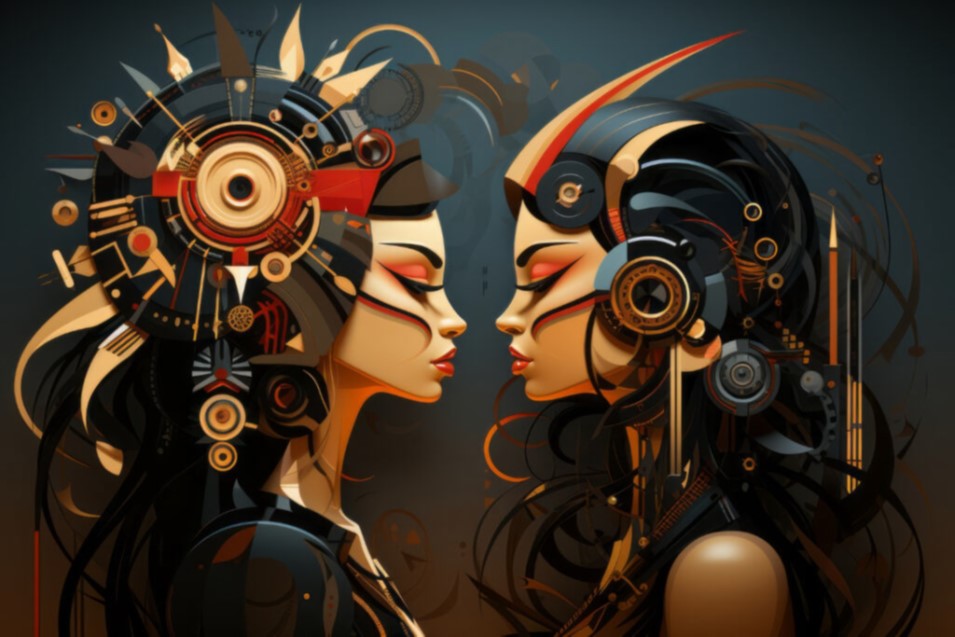
Artificial Intelligence has entered almost every sphere of human life, from medicine and finance to literature and music. Naturally, the world of art has not remained untouched. AI-generated images, algorithm-driven creativity, and machine-assisted design are now widely discussed, raising an important question:
Can AI render the traditional canvas obsolete?
The answer, much like art itself, is layered and nuanced.
The Rise of AI in the Art World
AI art is created using algorithms trained on vast datasets of existing images, styles, and visual patterns. These systems can generate striking visuals within seconds—sometimes mimicking famous artists, sometimes creating entirely new compositions.
From digital illustrations to NFT artworks, AI has introduced:
- Speed and efficiency
- Endless variations
- Accessibility for non-artists
- New creative tools for designers
This technological advancement has sparked fascination, debate, and even concern among artists, collectors, and galleries alike.
What AI Can Do Well
AI excels at:
- Pattern recognition
- Style replication
- Rapid experimentation
- Concept visualization
For commercial applications such as advertising, design mock-ups, or digital content, AI-generated art can be extremely useful. It democratizes creativity by allowing more people to express ideas visually without formal artistic training.
In this sense, AI is not an enemy of art; it is a tool.
What AI Cannot Replace
Despite its capabilities, AI lacks the most essential element of art:
Human experience
An original artwork is shaped by:
- The artist’s emotions
- Life experiences
- Cultural background
- Personal struggles and beliefs
- Time, patience, and intuition
A canvas carries the physical presence of the artist, brush strokes, texture, hesitation, correction, and intent. These subtleties cannot be replicated by algorithms trained on existing data.
AI creates from what has already existed.
Artists create from what they have lived.
Original Art vs AI Art: The Collector’s Perspective
For collectors, originality goes beyond visual appeal.
An original artwork offers:
- Uniqueness – one of a kind, never repeated
- Provenance – a clear human creator and story
- Emotional value – connection with the artist’s journey
- Long-term worth – cultural, historical, and sometimes financial
AI-generated images, while impressive, can be endlessly reproduced. Their value lies in novelty, not rarity.
For serious collectors and art lovers, this distinction matters.
The Role of the Artist in the Age of AI
Rather than replacing artists, AI is redefining their role.
Many contemporary artists are:
- Using AI as an experimental tool
- Combining digital processes with handmade techniques
- Questioning authorship and originality
- Expanding the boundaries of modern art
Just as photography did not eliminate painting, and digital art did not end sculpture, AI will not erase the canvas. Instead, it adds another layer to the evolving language of art.
Why the Canvas Will Endure
The canvas is more than a surface; it is a space for presence.
Standing in front of an original painting, you don’t just see an image. You feel:
- The time invested
- The silence of creation
- The emotion embedded in each stroke
This sensory and emotional experience cannot be replicated by screens or algorithms.
As long as humans seek meaning, connection, and authenticity, original art will remain relevant.
A Future of Coexistence, Not Competition
The future of art is not a battle between AI and artists; it is a dialogue.
AI will continue to:
- Assist creativity
- Inspire new forms
- Challenge definitions of art
But the handmade, human-created artwork will continue to hold a special place, especially for collectors who value soul over speed.
Conclusion
AI may change how art is created and consumed, but it will not make the canvas obsolete.
Original art endures because it reflects something machines cannot replicate: the human spirit.
At IndiGalleria, we celebrate art that carries stories, emotions, and authenticity, art that connects people, not just pixels.