 INR (₹)



Why Are Oil Paintings Expensive?
A common question many art enthusiasts ask is:
“Why are oil paintings so expensive?”
The short answer is, it’s about quality, rarity, and time.
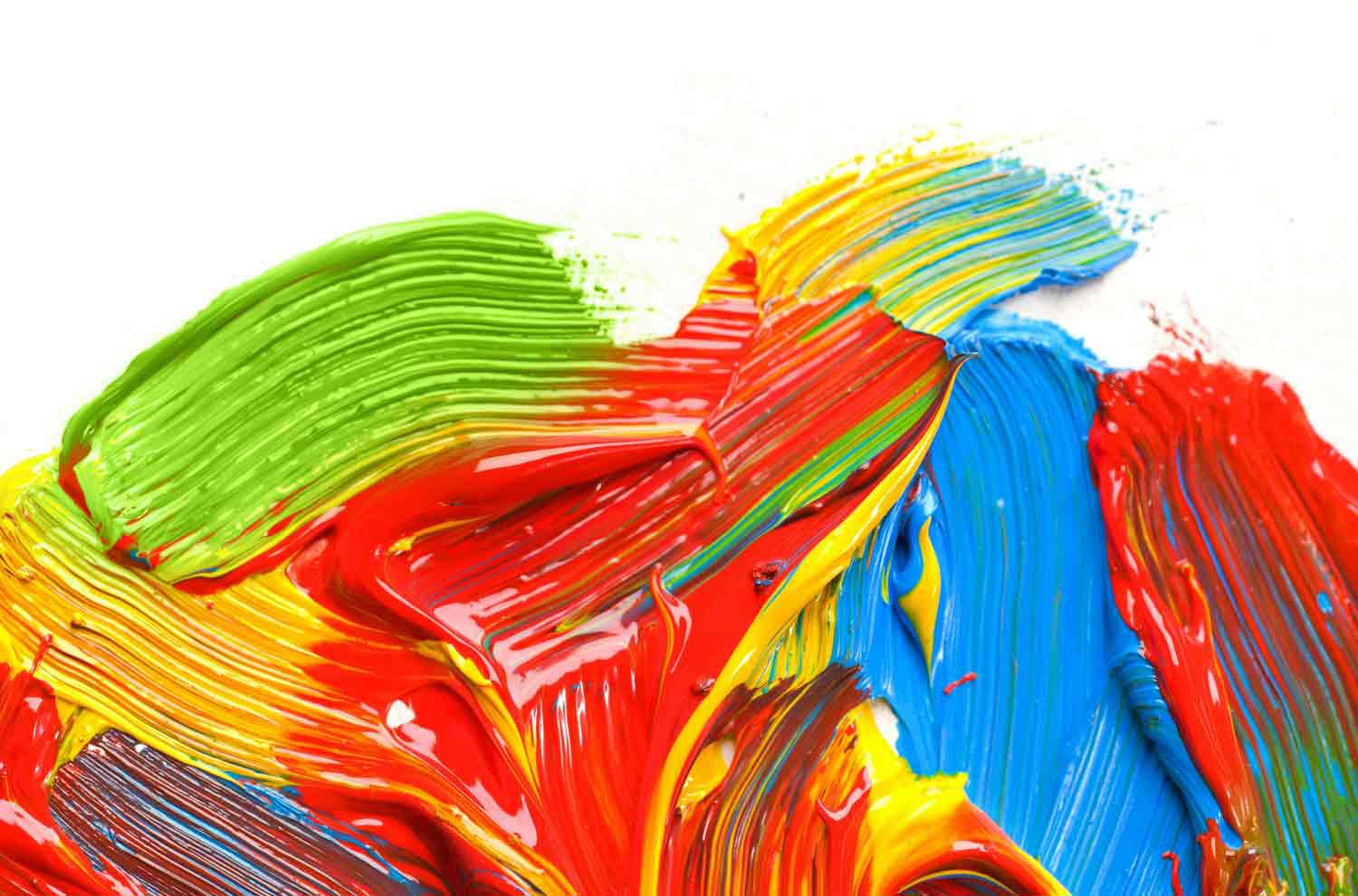
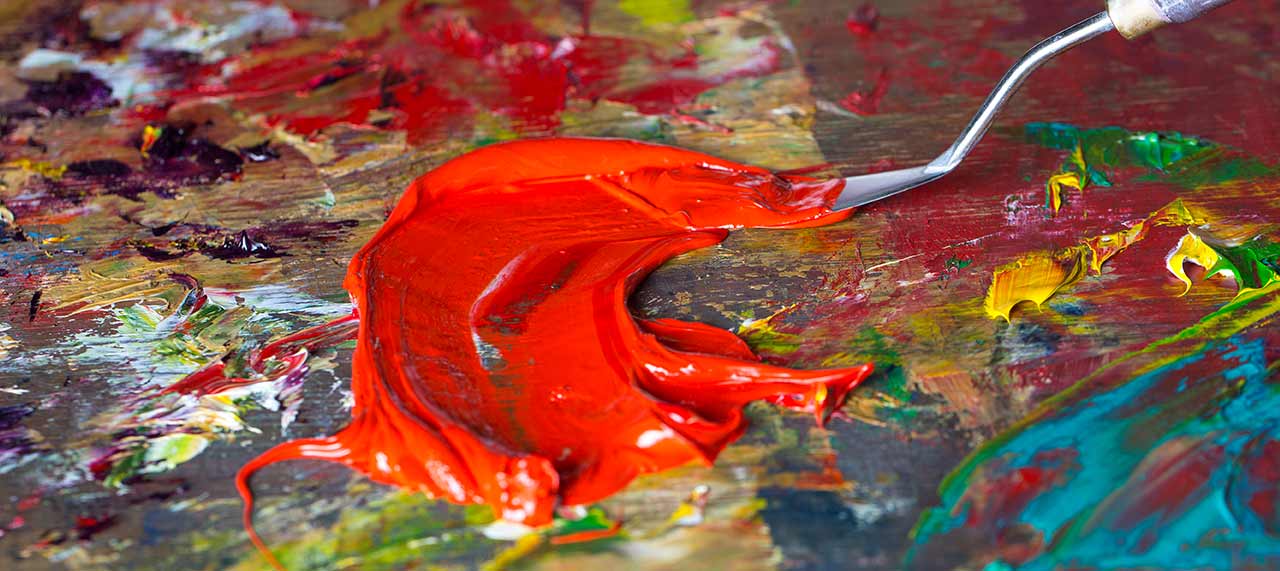
Oil paints are made with rich natural pigments and take significantly longer to dry, demanding patience, craftsmanship, and high-grade materials. Simply put, time is money, and oil paintings embody both.
Oil painting is also one of the oldest and most revered art forms in history, giving it an unmatched sense of depth, texture, and timelessness.
Does the Type of Oil Paint Really Matter?
Absolutely!
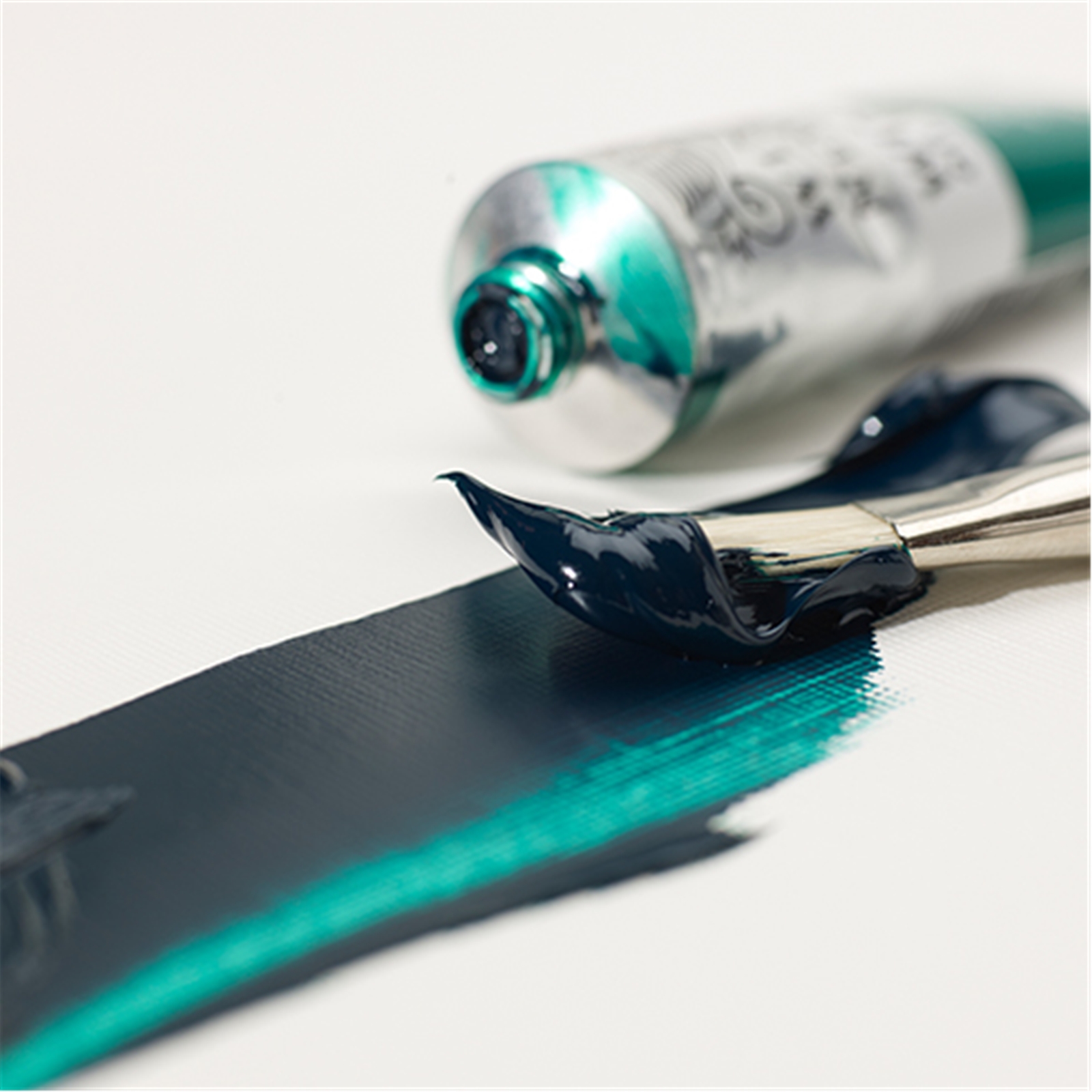
It’s a myth that the brand or quality of paint doesn’t affect the final artwork. The quality of oil paint determines the life, vibrancy, and richness of a painting.
High-quality oil paints contain more pigment and less filler. The greater the pigment concentration, the more brilliant and enduring the colors, even if the palette is limited to shades like black and white.
Where Do These Pigments Come From?
The pigments used in oil paints are the true jewels of art, often derived from rare natural sources. Here’s what makes some of them so valuable:
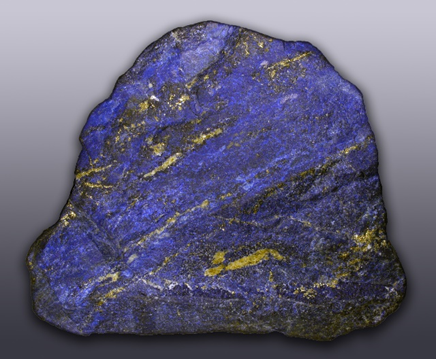
1. The Blue or Ultramarine Blue
Made from the precious lapis lazuli stone, found primarily in Afghanistan, this pigment is among the rarest on Earth.
Historically used by Renaissance masters, its scarcity and mesmerizing hue make it one of the most expensive pigments ever used in art.
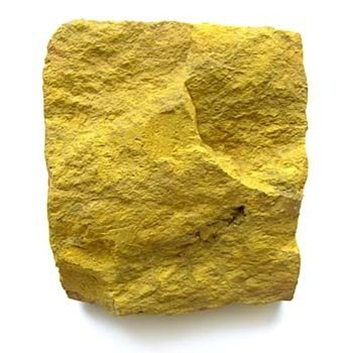
2. The Yellow Pigments
Lemon Yellow Ochre is a natural earth pigment used since ancient Egypt. Derived from iron-rich clay, it’s both non-toxic and lightfast, ensuring long-lasting brilliance in paintings.
Another rare yellow pigment, once made from the urine of cows fed exclusively on mango leaves, is legendary for its unique tone, though thankfully no longer in use today!
3. The Tyrian Purple
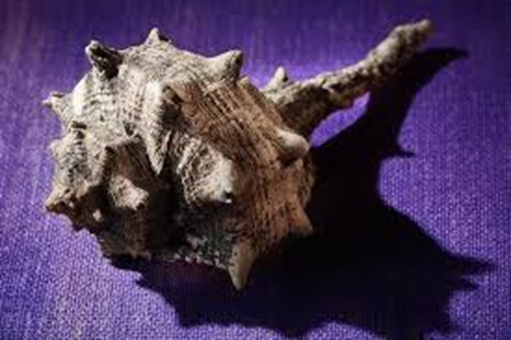
This regal purple pigment was originally made from the glands of sea snails, requiring nearly 12,000 snails to produce just 2 grams of pigment!
Known as Tyrian Purple, it symbolized royalty and remains one of the most historically significant and expensive pigments ever created.
How Are Oil Paints Produced?
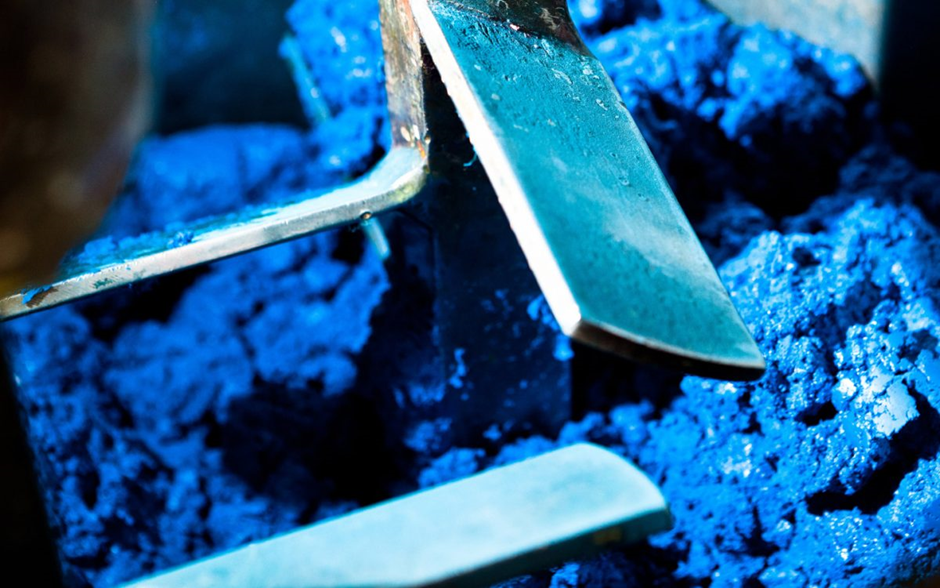
Creating high-quality oil paint is a meticulous and time-consuming process. The pigments are carefully ground, mixed, and blended with linseed or walnut oil through continuous stirring and mulling.
This repeated churning eliminates lumps, ensures smooth consistency, and enhances the paint’s luminosity and texture. Once mixed, the paints are packed in small tubes, ready to bring art to life on canvas.
Why Oil Paintings Are Worth the Investment
Oil paintings are not just visual treasures; they’re pieces of luxury and legacy. The texture, longevity, and richness they carry are unmatched by any other medium.
Each brushstroke captures the artist’s patience, emotion, and mastery. When you buy an oil painting, you’re not just buying a decorative piece, you’re owning a centuries-old tradition of fine art.

Treat yourself or your loved ones to the elegance of original oil paintings by Indian artists, perfect for home décor, offices, or thoughtful gifting.
✨ Explore authentic, handmade oil paintings online at www.IndiGalleria.com — where creativity meets craftsmanship.