 INR (₹)



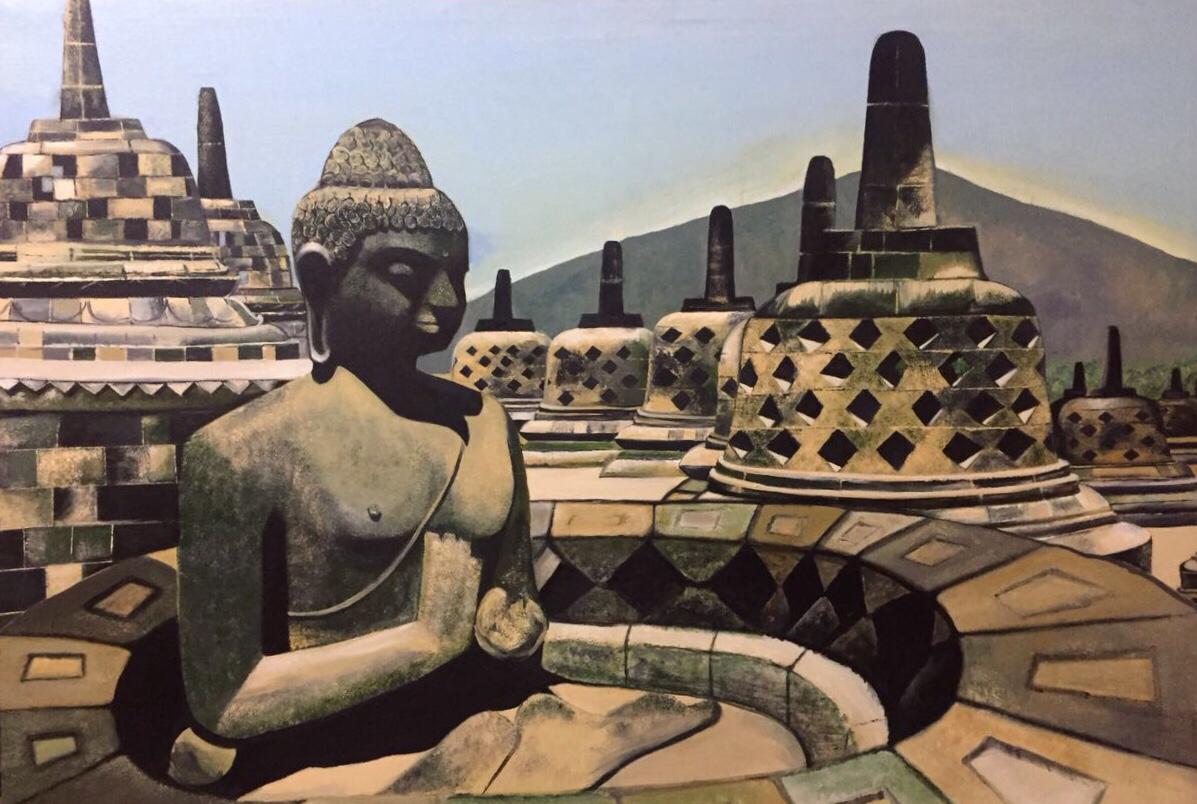
Gautama Buddha Life Story: Renunciation and Enlightenment
Gautama Buddha, the founder of Buddhism, was born as a prince, sheltered from all the sorrow and suffering of the world. He was born around 566 B.C. to King Suddhodana and Queen Mahamaya, as the prince of Kapilavastu.
Soon after his birth, wise men predicted that the child would grow up to become a Great Saint, the Buddha. This prophecy deeply disturbed the king, who wished for his son to become a mighty ruler instead of a monk.
Renunciation of Gautama Buddha
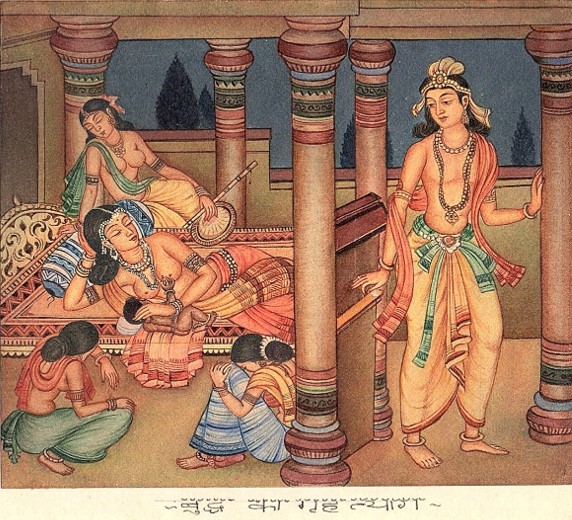
Art by Vidya Devi Maurya (1965)
At the age of sixteen, Siddhartha completed his education and married Princess Yashodhara. The couple had a son named Rahula.
However, at the age of 29, Siddhartha left behind his royal comforts, family, and kingdom in search of the true meaning of happiness and the end of suffering.
He cut off his hair to symbolize renunciation and began his life as a wandering monk. Wearing simple robes, he traveled from place to place in search of Atma Gyan (self-realization).
Although he studied under several teachers, none could show him the way to end human suffering. After six years of intense austerities, he arrived at the banks of the Niranjana River near Bodh Gaya. There, beneath a Bodhi tree, he began deep meditation to seek the truth.
Realizing that neither extreme luxury nor extreme asceticism led to peace, he adopted the Middle Path, began eating simple food again, and regained his strength.
Enlightenment of the Buddha
On a full moon night in the month of May, Siddhartha vowed,
“I shall not rise from this spot until I find the end of suffering.”
During this meditation, Mara, the evil one, appeared to distract him, first with his beautiful daughters, then with storms, thunder, and his terrifying armies. But Siddhartha remained unmoved. His virtue and clarity conquered every illusion.
In that profound stillness, he realized the truth of existence, that everything arises from causes and conditions, and that liberation is found by understanding and ending the causes of suffering.
That night, Siddhartha attained Enlightenment and became Lord Gautama Buddha, “The Awakened One.”
He resolved to share this knowledge with the world, to guide others toward peace and freedom from suffering.
Teachings of Gautama Buddha
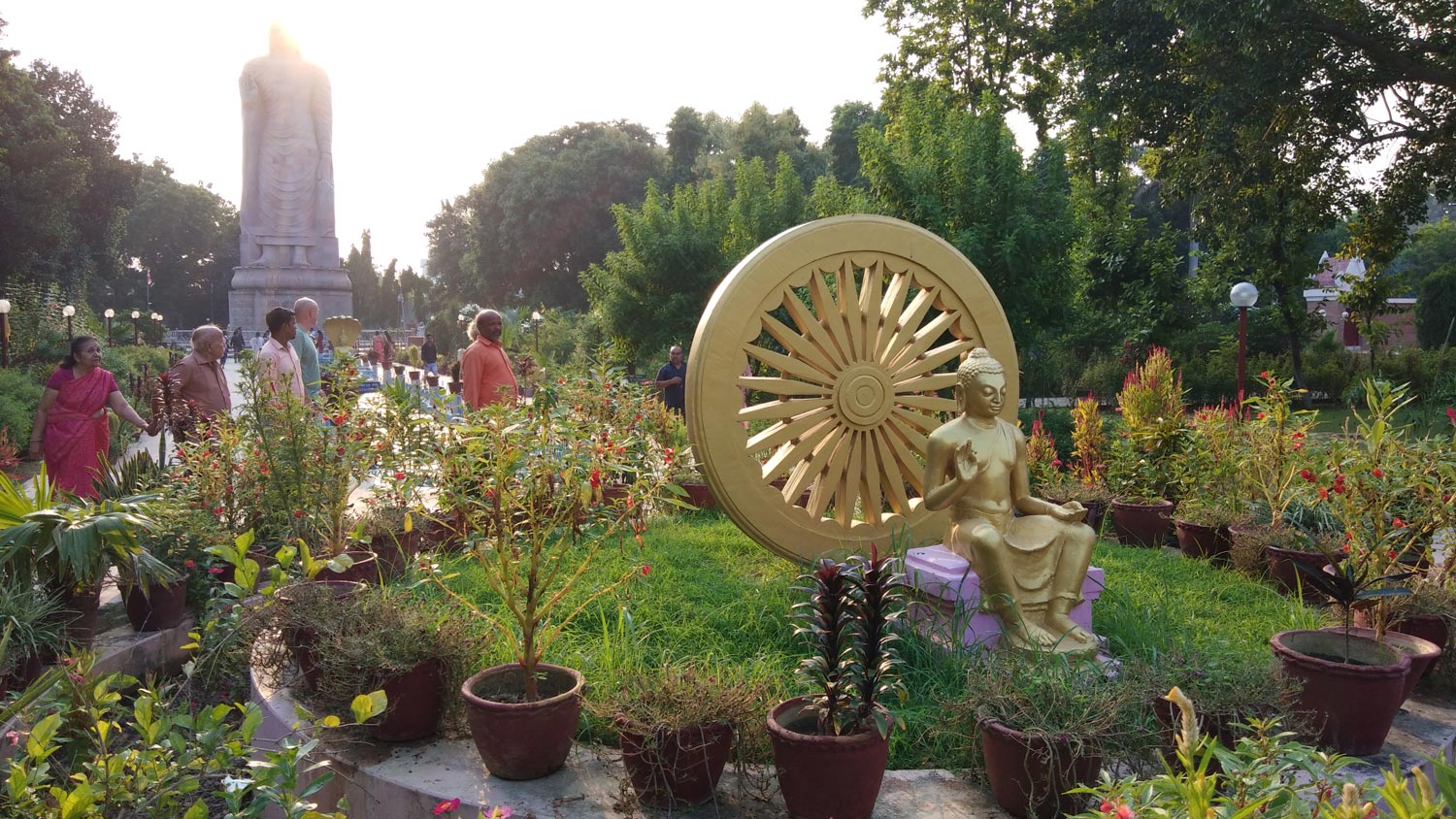
After attaining enlightenment, Buddha began teaching the truths he had realized. His principles became the foundation of Buddhism, guiding millions toward a balanced and meaningful life.
The Four Noble Truths
- Suffering (Dukkha) is universal; everyone experiences pain and sorrow.
- Cause of Suffering (Samudaya): Desire, greed, and ignorance lead to suffering.
- End of Suffering (Nirodha): Liberation is possible through letting go of attachments.
- Path to End Suffering (Magga): Following the Noble Eightfold Path leads to freedom.
The Noble Eightfold Path
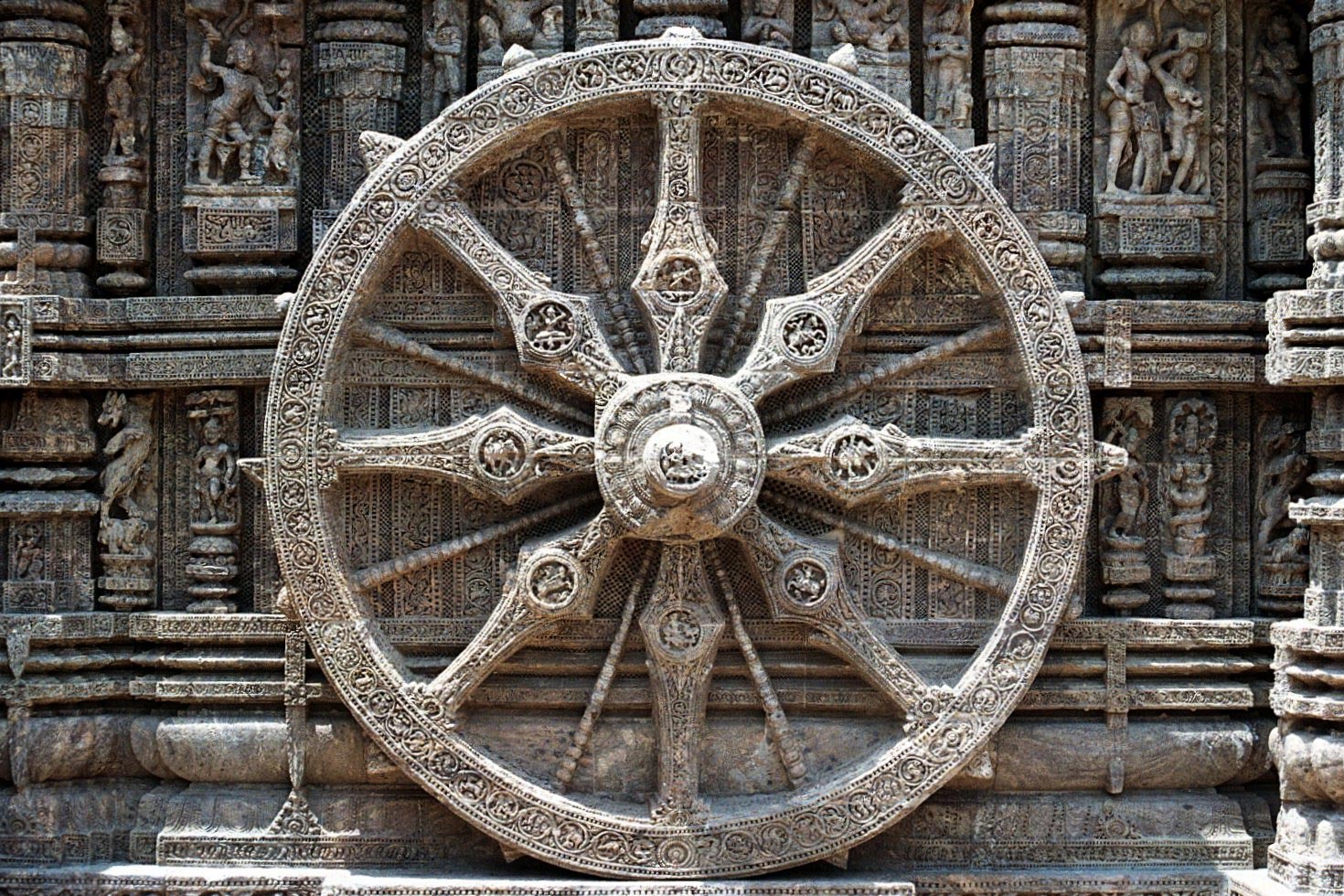
The Buddha compared his teachings to a wheel (Dharmachakra), ever-turning and leading to Nirvana, the center of peace.
Each spoke represents one essential practice:
- Right View: Seeing the world with wisdom and compassion.
- Right Thought: Cultivating pure and kind intentions.
- Right Speech: Speaking truthfully and kindly.
- Right Conduct: Acting with honesty and respect.
- Right Livelihood: Earning a living without harming others.
- Right Effort: Doing one’s best with sincerity and positive will.
- Right Mindfulness: Being aware of thoughts, words, and actions.
- Right Concentration: Focusing the mind to achieve inner peace.
Following the Eightfold Path is like cultivating a garden; the mind is the soil, thoughts are seeds, and actions are the care. The harvest is lasting happiness.
Beautiful Quotes by Gautama Buddha
“If you find no one to support you on the spiritual path, walk alone.”
“What you think, you become. What you feel, you attract. What you imagine, you create.”
“The way is not in the sky. The way is in the heart.”
“Meditate. Live purely. Be quiet. Do your work with mastery. Like the moon, come out from behind the clouds, shine.”
“Three things cannot be long hidden: the sun, the moon, and the truth.”
“No one saves us but ourselves. No one can and no one may. We ourselves must walk the path.”
Significance of Gautama Buddha Paintings and Statues
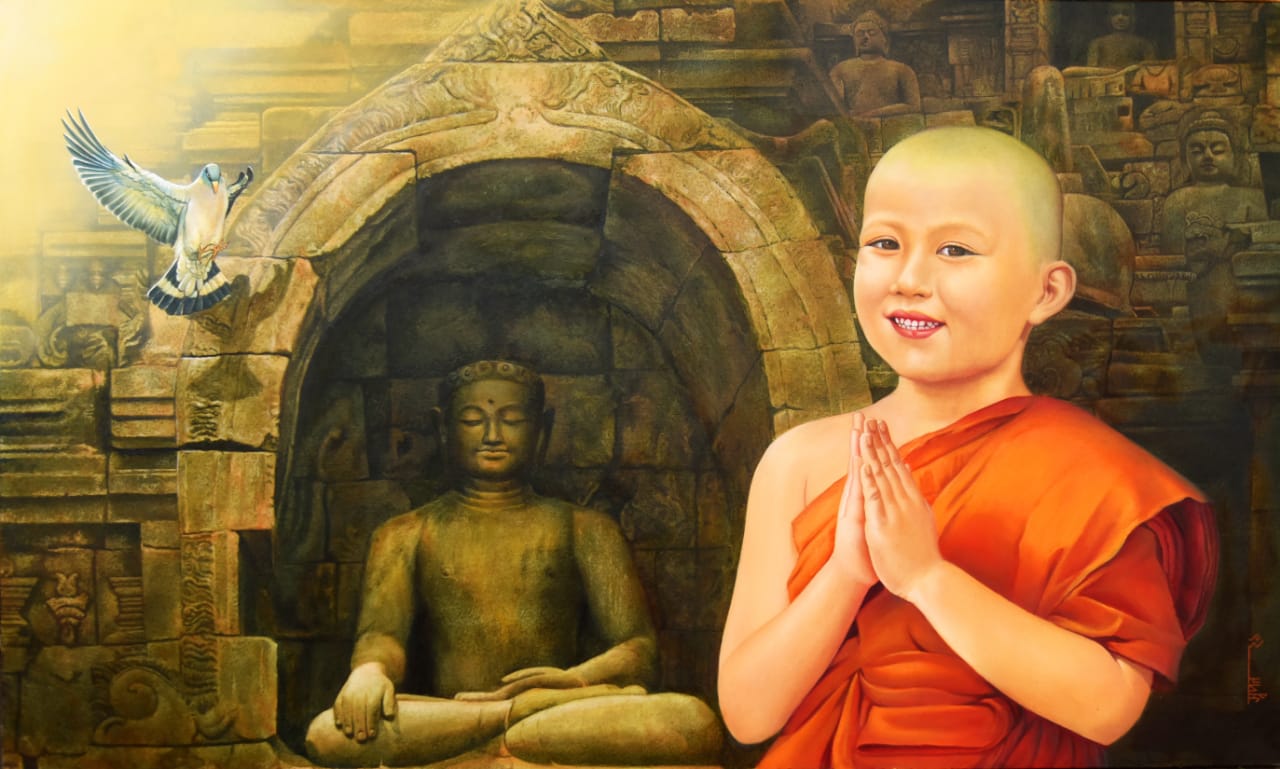
Buddha statues and paintings hold deep symbolic and spiritual significance. Each posture (Mudra) reflects a unique phase of his life and teaching. They not only enhance the aesthetic beauty of a space but also invite peace, harmony, and positivity.
Different Styles of Buddha Statues and Their Meanings
- Meditating Buddha:
Symbolizes inner peace and enlightenment. Place facing east and in sunlight. - Laughing Buddha:
Symbol of prosperity, joy, and abundance. - Southeast – for wealth
- West – for children
- North – for career success
- Northeast – for education
- Southwest – for love and relationships
- Blessing Buddha:
Represents fearlessness and compassion. Ideal for offices and living spaces. - Teaching Buddha:
Depicts Buddha sharing the Dharma (Wheel of Law). Symbolizes wisdom and learning. - Long-Life Buddha:
Brings health, prosperity, and longevity. Placement varies: - East – for good health
- West – for family and children
- Southeast – for wealth
- Reclining Buddha:
Represents Buddha’s final stage — Mahaparinirvana — peace after enlightenment.
Where to Place Buddha Statues in Your Home
Proper placement of Buddha statues enhances harmony and respect:
- Never place the statue on the floor or in bathrooms.
- In bedrooms, keep it inside a cabinet.
- At entrances, ensure Buddha faces those entering the home.
- At workspaces, place near the study table for focus and calm.
- Keep statues elevated, on walls or platforms, not in basements.
Symbolism of Buddha Paintings
- Bhumisparsha Mudra (Sri Lanka): Represents the moment of enlightenment.
- Abhaya Mudra (Taiwan): Sign of fearlessness and strength.
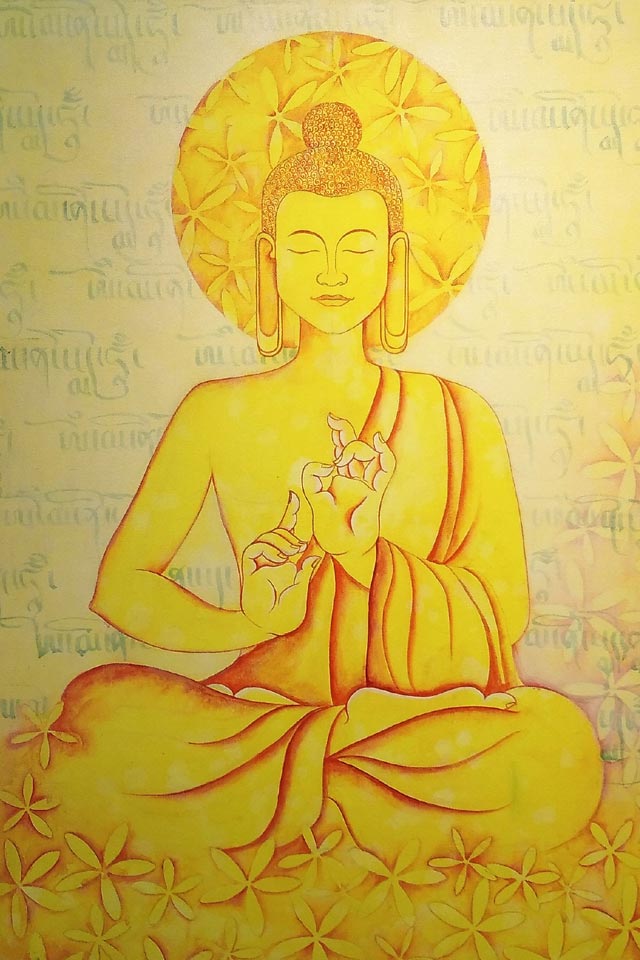
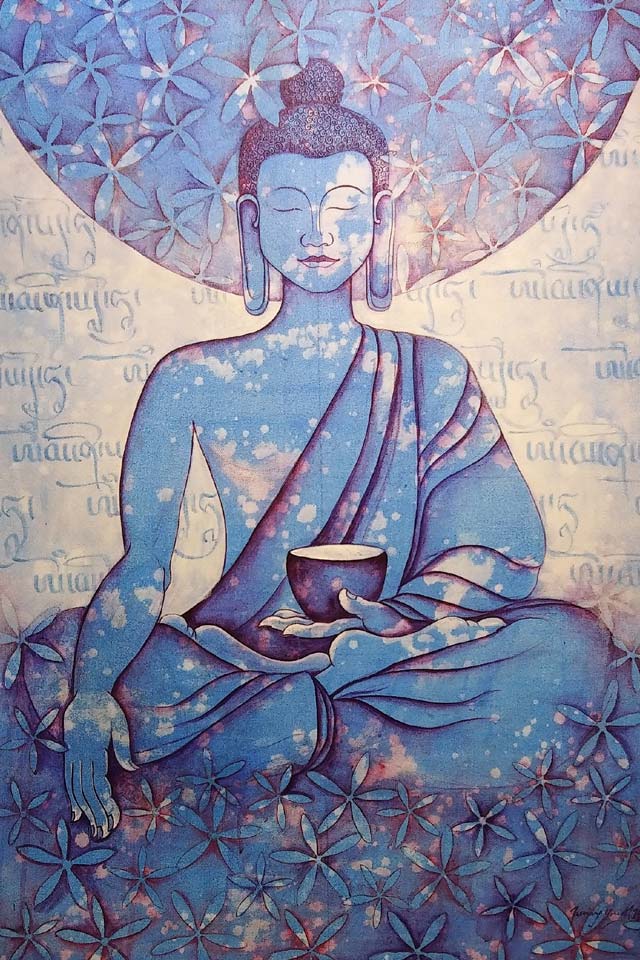
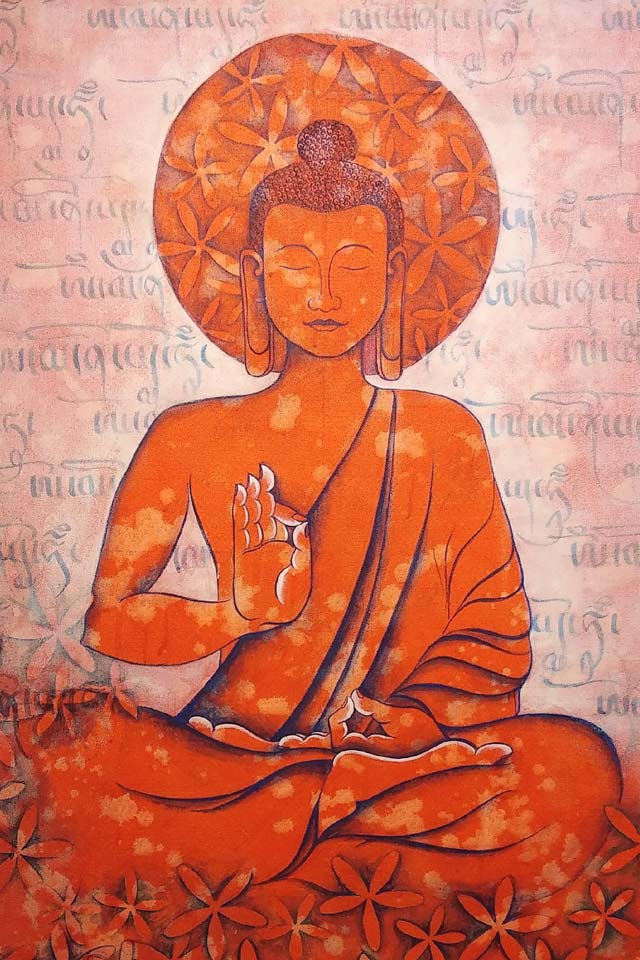
Each color in Buddha paintings holds a spiritual meaning:
- Yellow: Avoiding extremes, emptiness.
- Blue: Kindness and compassion.
- Orange: Wisdom.
- White: Purity and liberation.
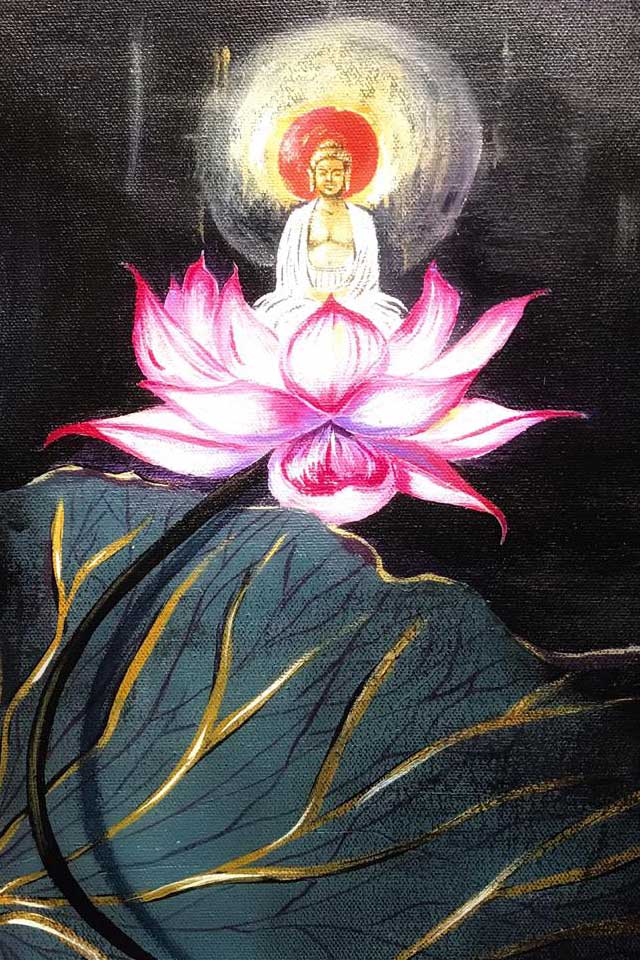
- Red: Achievement and virtue.
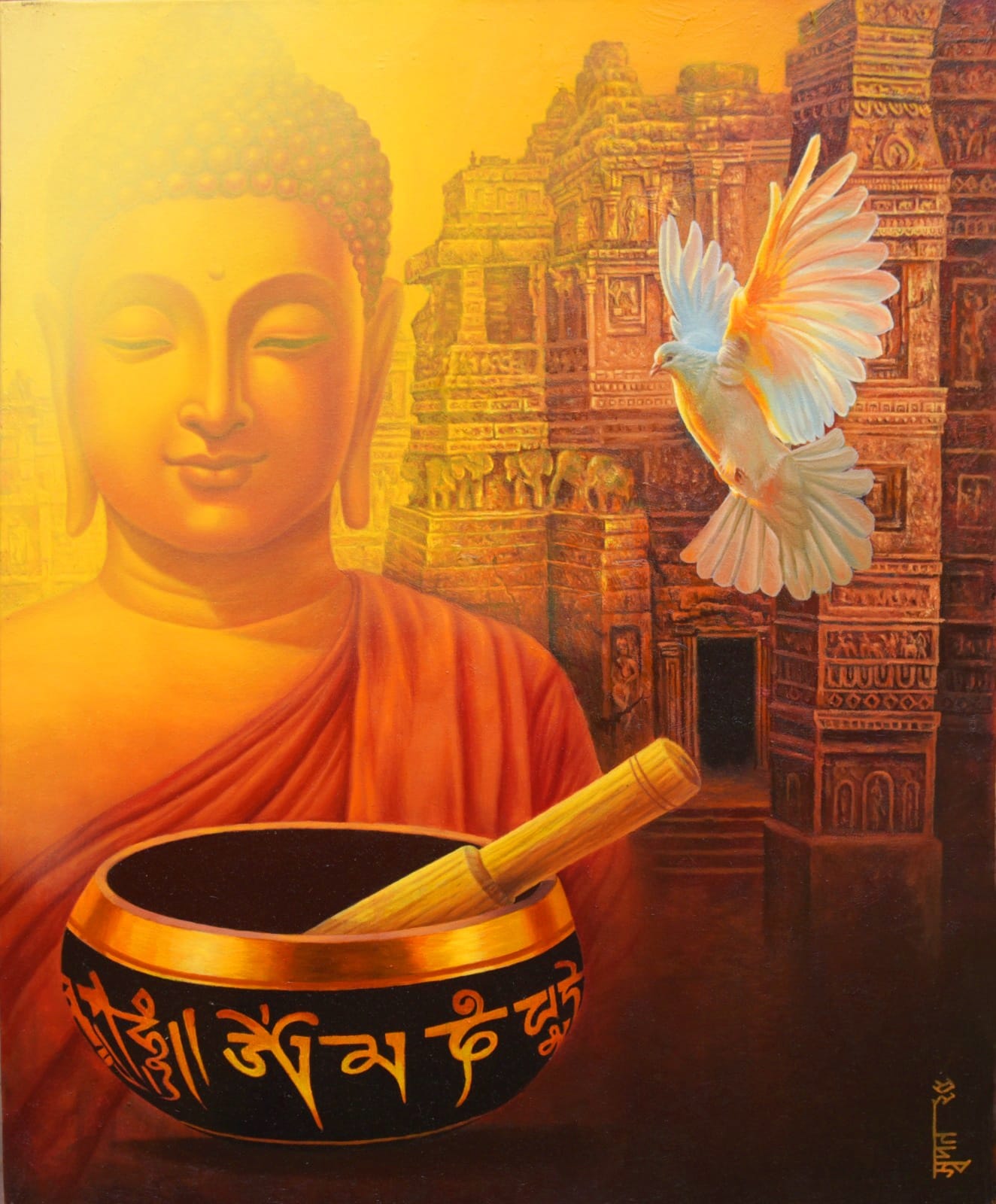
Handmade Buddha paintings radiate positive energy and spiritual calmness. Choose original, handmade artworks on canvas to invite genuine peace and blessings into your space.
Discover authentic Gautama Buddha paintings and sculptures crafted by contemporary Indian artists at www.Indigalleria.com — where art meets spiritual harmony.
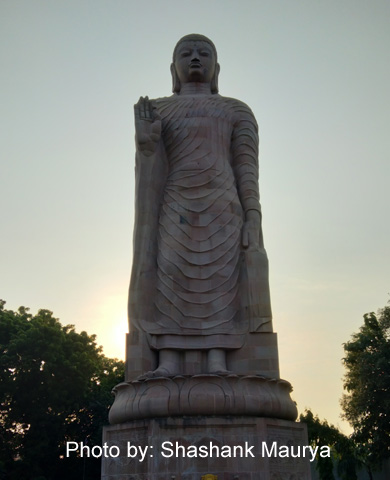
Lord Buddha Statue in Sarnath, Varanasi
Conclusion
The life and teachings of Gautama Buddha continue to inspire millions across the world. His message of compassion, mindfulness, and balance remains timeless, a guide for anyone seeking inner peace in a world full of distractions.