 INR (₹)




Acrylic vs Oil Paints: Which Is Better for Artists?
For anyone new to painting, one of the first questions that arises is:
“Which medium should I choose — acrylic or oil paints?”
Both are popular, expressive, and capable of creating beautiful results. The real difference lies in how they behave, how they’re used, and the kind of experience you seek as an artist.
Let’s explore the key differences between acrylic and oil paints so you can decide which one fits your artistic style best.
1. Cost and Convenience
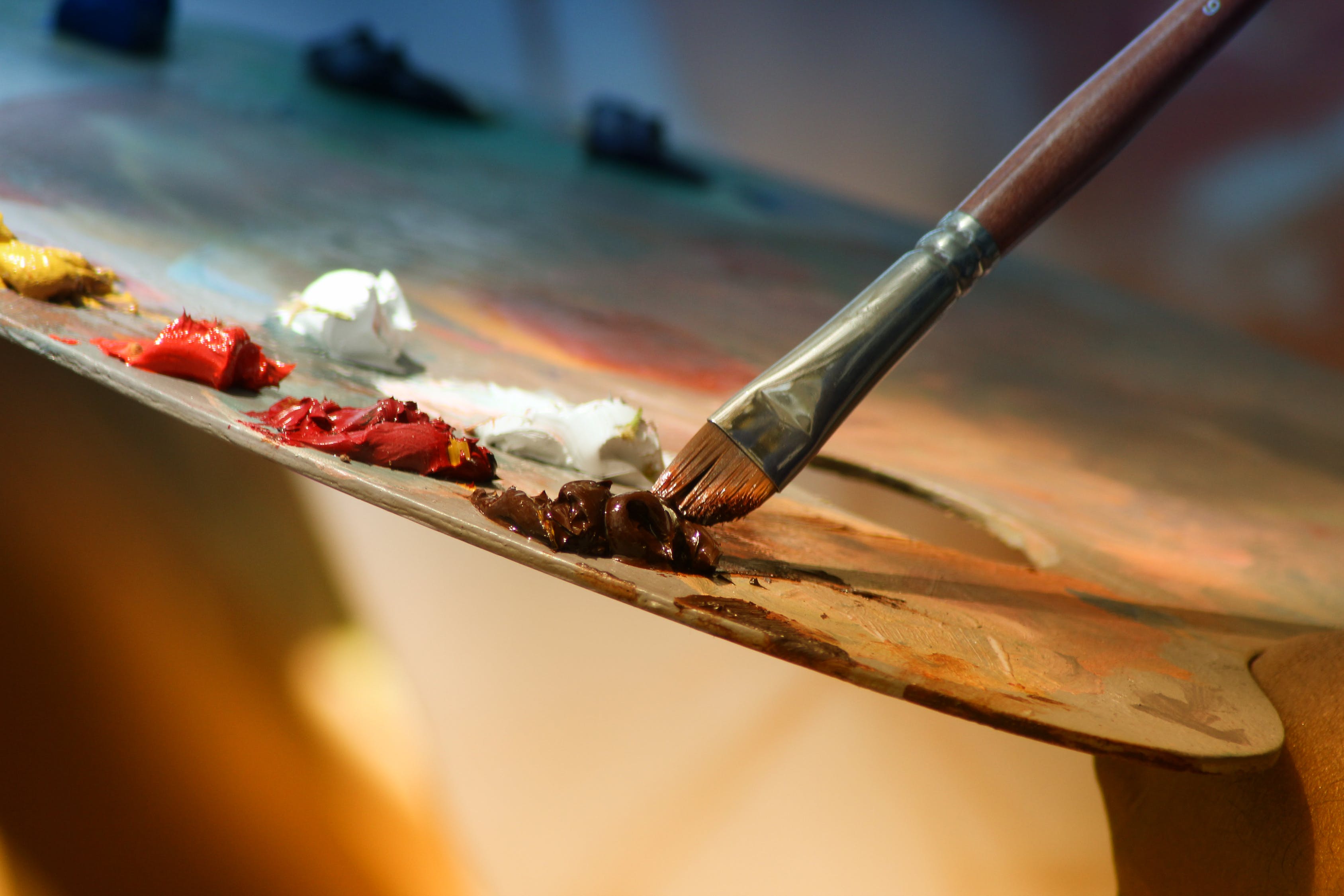
Photographer Daian Gan
Oil paints are generally more expensive than acrylics because they contain natural pigments and high-quality binding oils.
Besides, oil painting requires special cleaning agents like turpentine or linseed oil for brushes, unlike acrylics, which can be cleaned easily with just water.
Acrylics are beginner-friendly, affordable, and less messy, a practical choice for students or hobbyists.
(Read more: Why Oil Paintings Are Expensive to understand what drives their value.)
In short:
- Acrylics – Budget-friendly, easy to clean.
- Oils – Premium, long-lasting, but higher maintenance.
2. Drying Time
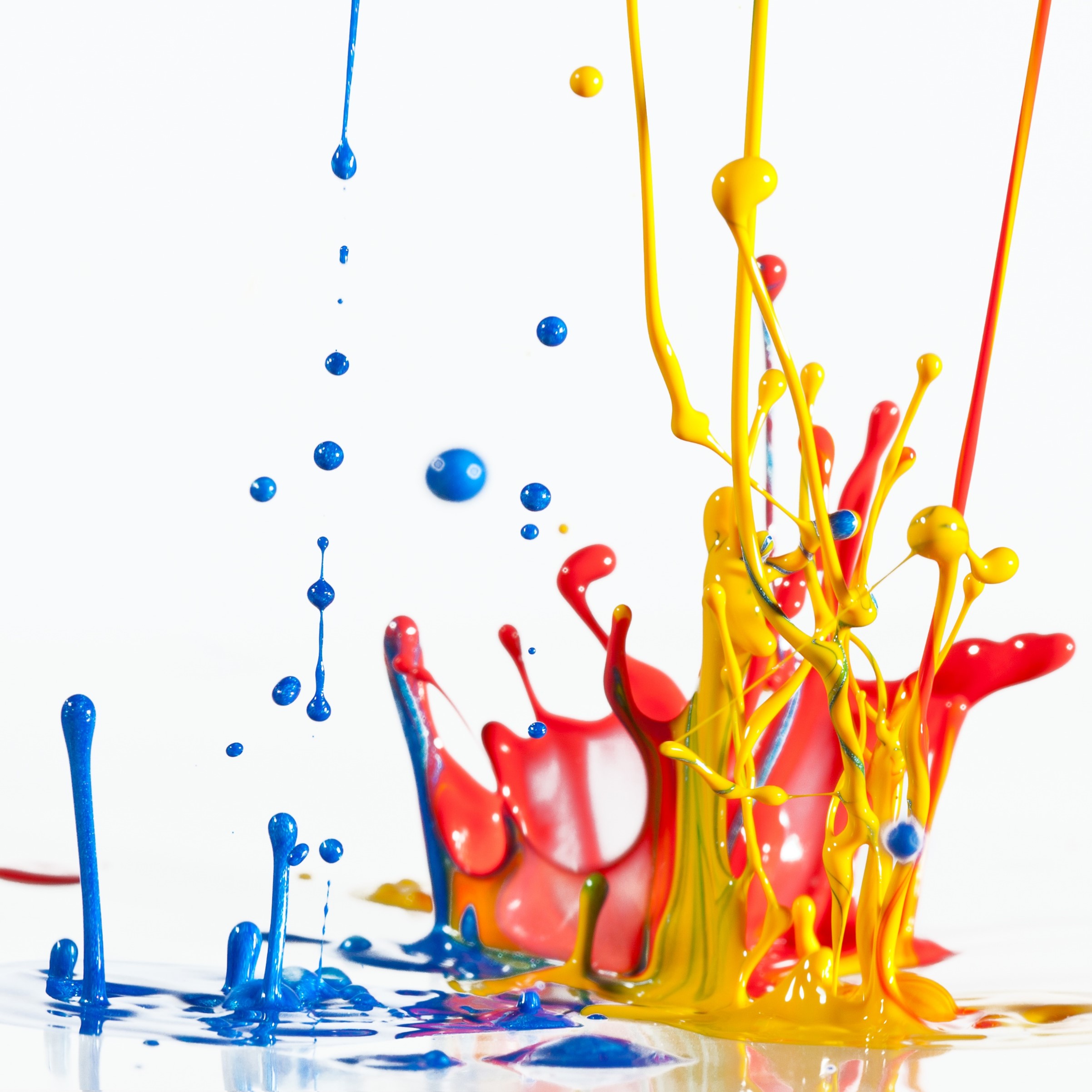
This is one of the biggest differences between the two.
- Oil paints take a long time to dry, from a few days to several months, and in some rare cases, even years. This slow drying process allows artists to rework, blend, and make changes at leisure.
- Acrylics, on the other hand, dry extremely fast, sometimes even on the palette itself. This is ideal for artists who enjoy quick layering but can frustrate those who like to take their time.
Quick Tip:
If you love experimenting and reworking details, oil paints will give you flexibility.
If you’re impatient to see results, acrylics are your go-to medium.
3. Color Vividness and Texture
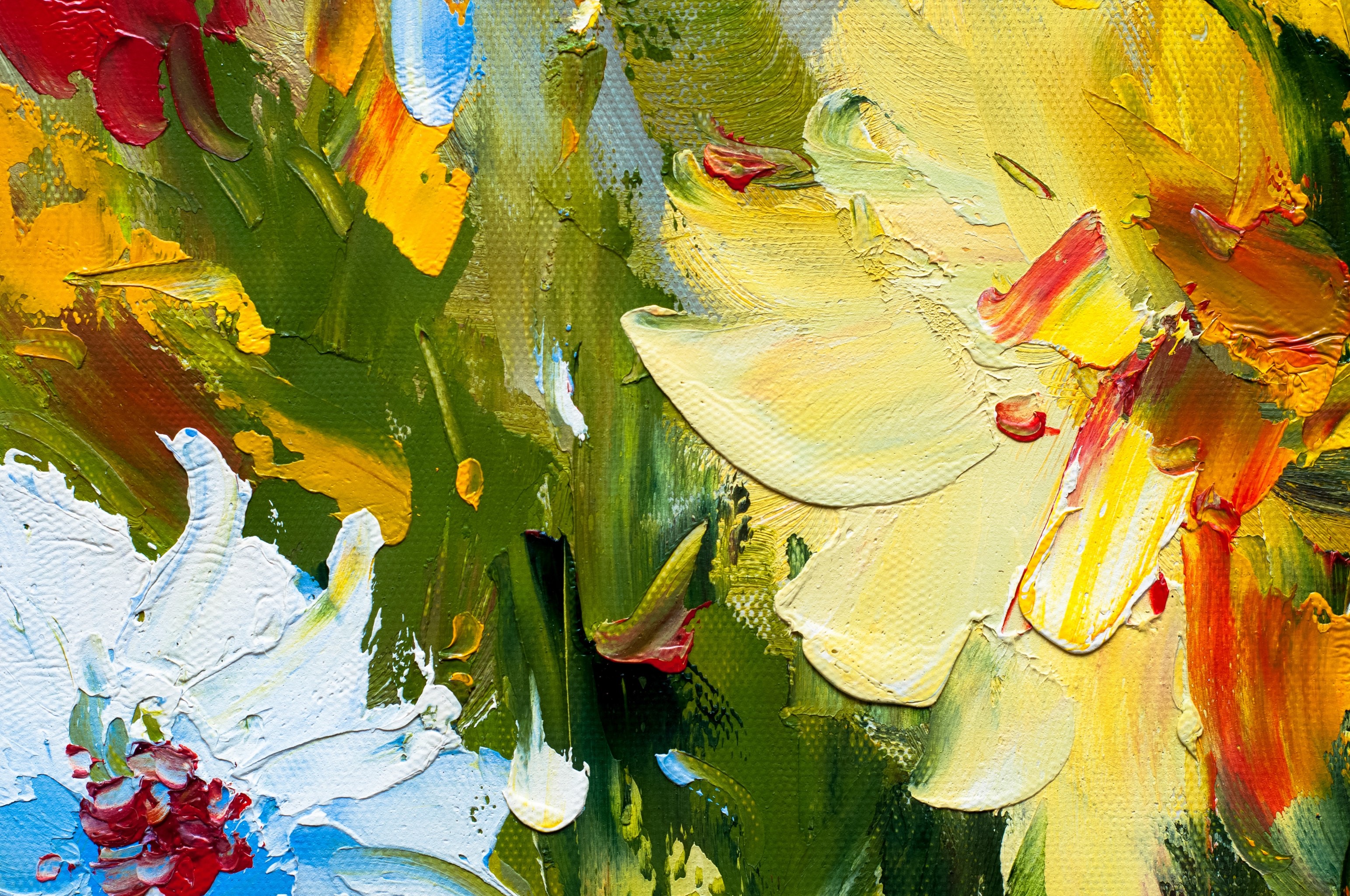
Oil paints are known for their rich pigments, luminous tones, and natural depth. Their oil-based texture adds a glossy, luxurious finish that lasts for decades.
Acrylic paints are synthetic and water-based, so their vibrancy depends on quality. A premium-grade acrylic can look nearly as vivid as oil, but cheaper ones might appear slightly flatter.
In essence:
- Oils = Depth, glow, and subtle blending.
- Acrylics = Bright, bold, and fast-drying intensity.
4. Space and Setup
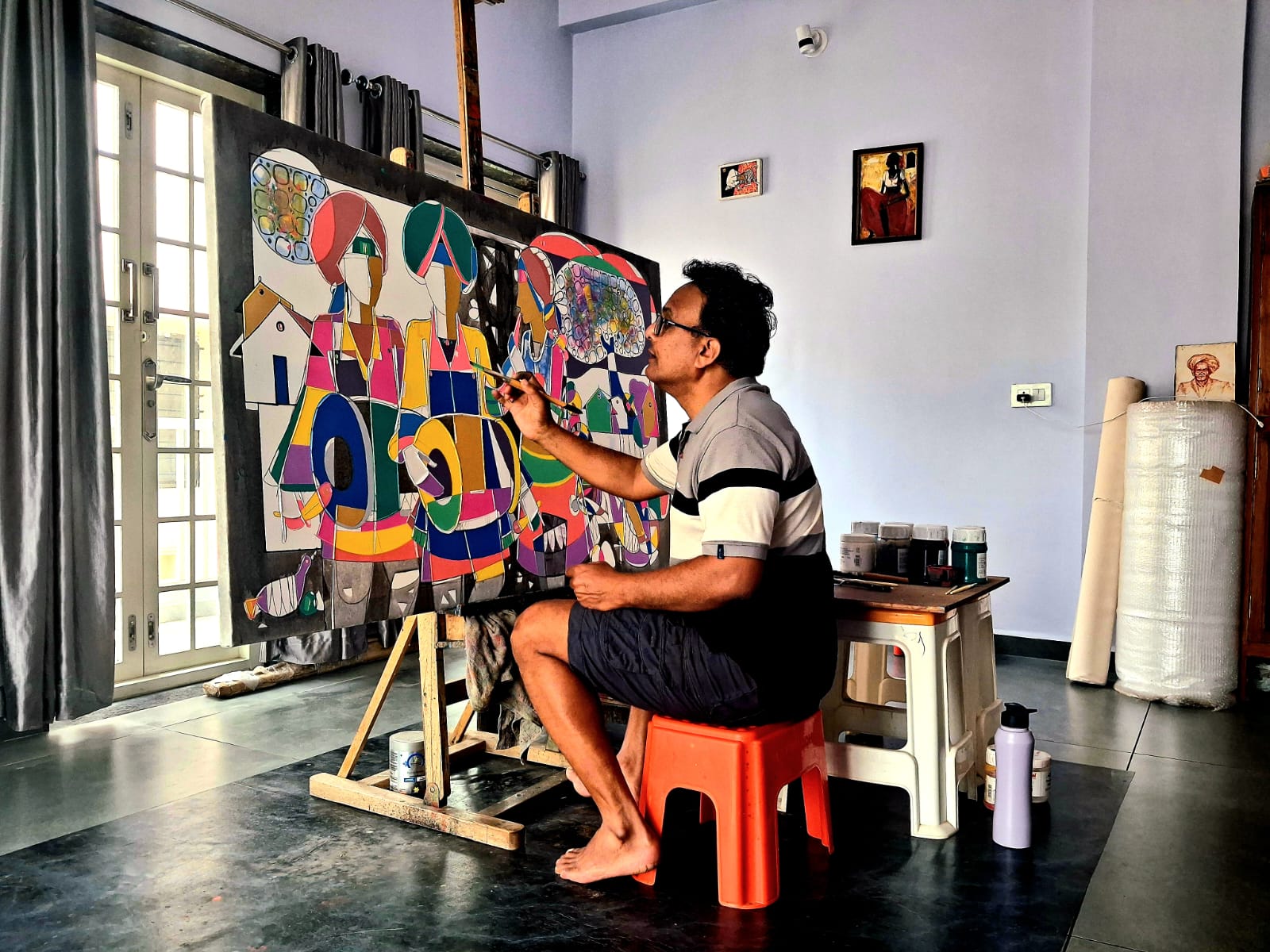
Oil painting demands more space and preparation. You’ll need extra materials like cloths, thinners, palettes, multiple brushes, and ventilated surroundings due to turpentine use.
Acrylics, on the other hand, are compact and flexible; you can paint on paper, canvas, or even wood with minimal setup. They’re perfect for small studios or home spaces.
5. Blending Ability
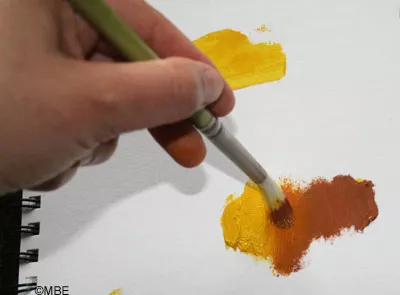
Source: The Spruce / Marion Boddy-Evans
Blending is where oil paints truly shine.
Because oils dry slowly, they allow seamless transitions between colors, creating smooth gradients and soft edges, ideal for realism and portrait work.
Acrylics dry quickly, making it harder to blend shades smoothly. However, artists can use retarders (mediums that slow drying) to improve blending when needed.
6. Longevity and Aging
Over time, acrylic paintings retain their tone and brightness, though colors might slightly darken as they dry.
Oil paintings, in contrast, don’t change immediately upon drying but may yellow slightly over centuries due to the oxidation of oils.
This slow transformation, however, adds a vintage charm to classical oil artworks.
(Tip: To preserve oil paintings, clean and store them properly — watch our recommended video tutorial on maintaining oil artworks.)
Conclusion: Which Paint Should You Choose?
Both acrylic and oil paints have unique strengths.
|
Preference |
Choose Acrylics If… |
Choose Oils If… |
|
Drying Time |
You like quick results |
You prefer slow blending |
|
Budget |
You want affordable materials |
You’re investing in longevity |
|
Ease of Use |
You’re a beginner |
You’re comfortable with solvents |
|
Style |
You love bold, layered looks |
You enjoy smooth transitions and detail |
At the end of the day, it’s not about which paint is “better”; it’s about what resonates with your technique, patience, and creative personality.
So, pick up your brushes, explore both mediums, and find your artistic rhythm.